

 Facebook
 X
X
 Pinterest
 Copy Link
How to Sell Your House Fast in Camp Hill, PA

If you’re looking to sell your house fast in Camp Hill, PA, it’s important to have a solid game plan that helps your listing stand out in a competitive real estate market. Whether you’re relocating for work, downsizing, or making a lifestyle change, selling quickly doesn’t mean cutting corners. In fact, a faster sale often comes down to strategy, timing, and knowing your local market.
In this guide, we’ll walk you through the essential steps to sell your Camp Hill home fast, from pricing it right to marketing it effectively.
Why Camp Hill, PA Is a Desirable Market
Before listing your home, it helps to understand Camp Hill real estate trends. Camp Hill is one of the most desirable places to live in Central Pennsylvania due to its excellent school district, strong community feel, and close proximity to Harrisburg.
Because of this, homes often move quickly, but only if priced and marketed correctly. Local buyers are often looking for move-in-ready properties in good neighborhoods, so it’s important to highlight what makes your home and location stand out.
Step 1: Price to Sell, Not Just to List
One of the most effective ways to sell your house fast in Camp Hill, PA, is by setting the right price from day one. Overpricing can cause your home to sit on the market too long, while underpricing might leave money on the table.
An experienced Camp Hill real estate agent will run a comparative market analysis (CMA) to evaluate:
- Recent sales of similar homes in your neighborhood
- Average days on market
- Seasonal demand trends
Correct pricing attracts serious buyers and can even lead to multiple offers, speeding up your timeline.
Step 2: Prepare Your Home for a Fast Sale in Camp Hill
You don’t need to do a full renovation, but small upgrades and thoughtful staging can make a big impact. To sell your home fast in Camp Hill, focus on:
- Decluttering and deep cleaning
- Adding fresh paint in neutral colors
- Making minor repairs (leaky faucets, loose doorknobs, etc.)
- Boosting curb appeal with landscaping and exterior touches
Buyers want to visualize themselves in your space, so aim to present a clean, welcoming, and move-in-ready home.
Step 3: Leverage Local Real Estate Marketing
Marketing is where many homes either stand out or get lost. To sell your house fast in Camp Hill, you need more than just a For Sale sign.
At Century 21 Realty Services, we offer full-scale marketing that includes:
- Professional photography and virtual tours
- MLS and syndicated listings
- Google and social media advertising
- Email marketing to local buyer lists
- Open houses and private showings
By targeting Camp Hill home buyers both online and locally, we maximize visibility and interest early in your listing period.
Step 4: Work With a Camp Hill Real Estate Expert
A knowledgeable local agent can make all the difference when it comes to a fast and profitable sale. Our agents at Century 21 Realty Services are experts in the Camp Hill real estate market and know how to:
- Market your home effectively
- Handle showings and negotiations
- Identify motivated buyers
- Guide you through paperwork and closing timelines
If you’re serious about selling quickly, you need someone who understands both your goals and the local market.
What to Avoid If You Want to Sell Quickly
Even in a hot market, certain mistakes can slow down your home sale. To avoid delays:
- Don’t ignore needed repairs or updates
- Don’t overprice based on emotion
- Don’t use low-quality photos in your listing
- Don’t delay responding to buyer interest or offers
Being prepared, responsive, and realistic are key to moving fast.
Ready to Sell Your House Fast in Camp Hill, PA?
Selling your home doesn’t have to be stressful or drawn out. With the right preparation, pricing strategy, and marketing support, you can sell your Camp Hill home fast and move on to what’s next.
At Century 21 Realty Services, we’re here to guide you every step of the way.
Contact us today for a free home valuation and personalized plan to sell your house fast in Camp Hill, PA.
Why Summer Is a Great Time to Sell Your Home
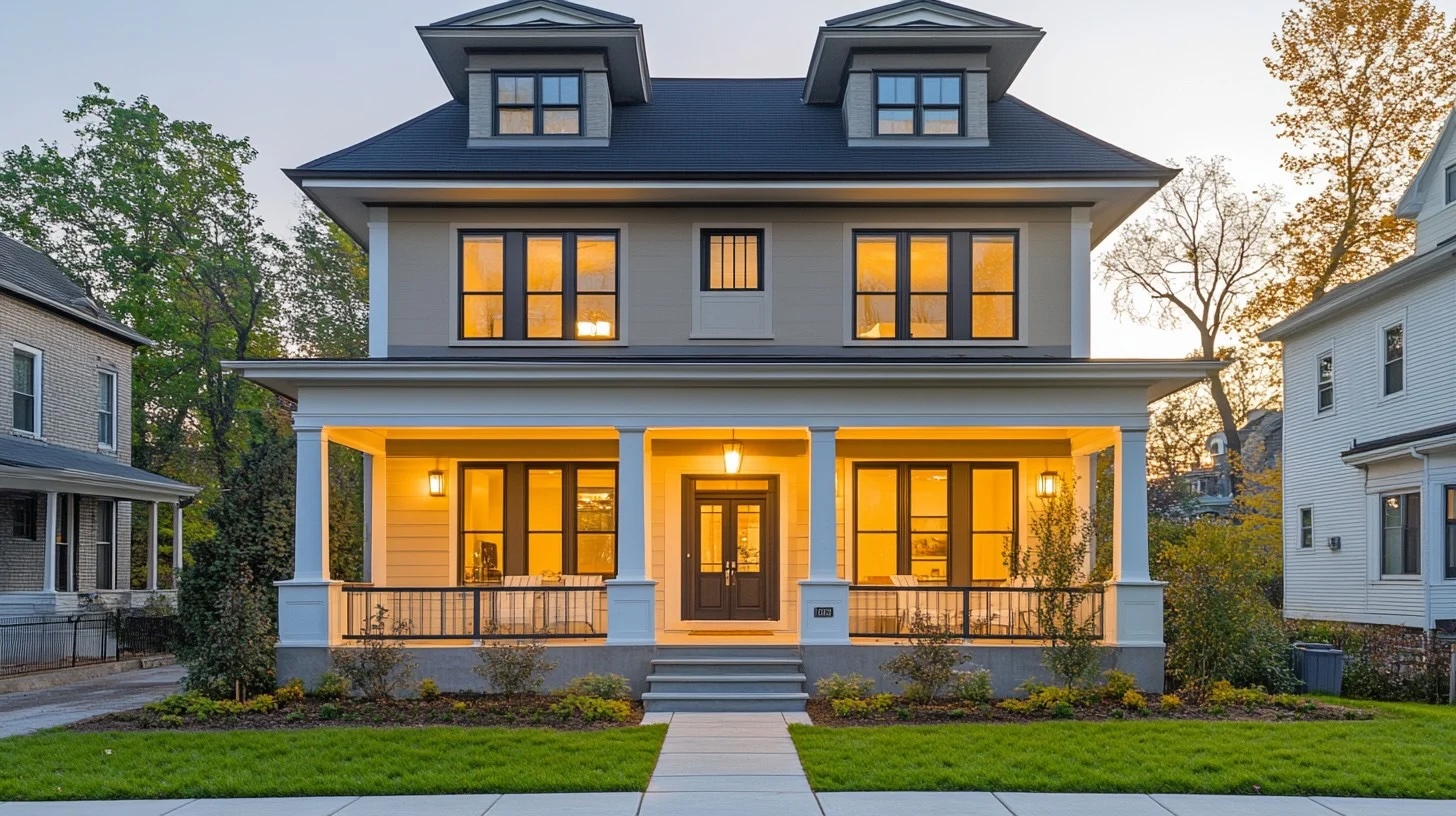
Timing Can Make All the Difference
Thinking about selling your home? Summer might just be the perfect season to make your move. Longer days, warmer weather, and motivated buyers all create the ideal conditions to attract attention and strong offers.
At Century 21 Realty Services, we know the local real estate market in Central PA inside and out. Here’s why summer consistently delivers results for sellers.
More Buyers, More Activity
Summer is the prime home buying season. Many buyers aim to move during the summer to avoid disrupting school schedules or to take advantage of job relocations. That means more people are actively looking, and more foot traffic at showings and open houses.
With increased buyer demand, your home is more likely to attract interest quickly and potentially sell for top dollar.
Your Home Looks Its Best in Summer
Curb appeal matters. Bright flowers, green lawns, and longer daylight hours all help your home shine. Natural light highlights your interior during showings and makes listing photos more attractive.
A well maintained exterior can make a powerful first impression and summer gives you the best canvas to work with.
Flexible Schedules Mean More Showings
Longer days = more availability.
Buyers often have more flexibility in their schedules during the summer, especially in the evenings and on weekends. That means more opportunities for showings, and ultimately, more chances to connect with the right buyer.
You’re Selling Into a Competitive Market
Buyers don’t want to miss out. In a hot summer market, buyers may feel pressure to act fast, especially if they’ve already lost out on other properties. That can lead to stronger offers and smoother negotiations.
Selling This Summer? Let’s Get Started.
If you’re thinking about selling your home in Camp Hill, Harrisburg, Mechanicsburg, or the surrounding areas, our experienced team is here to help you take full advantage of the season.
We’ll help you:
- Price your home competitively
- Stage it for summer showings
- Create an attention grabbing marketing plan
- Connect with serious buyers quickly
Make Your Move with Confidence
Selling a home is a major decision but the timing doesn’t have to be difficult. Summer offers a natural advantage, and with the support of Century 21 Realty Services, you’ll have the tools, team, and strategy to make it a success.
Ready to list your home this summer? Contact us today or get a free home valuation.
Recognizing Excellence: Meet Our May 2025 Centurion Team
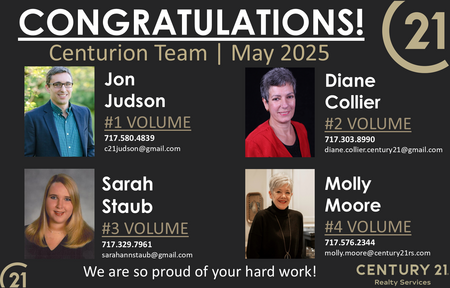
At Century 21 Realty Services, we pride ourselves on fostering a culture of excellence, integrity, and client centered service. Each month, we recognize a select group of agents who go above and beyond in delivering results and supporting their clients with unmatched professionalism. These agents represent the best of our team, and in May 2025, we are proud to introduce our Centurion Team.
This monthly honor is awarded based on total sales volume and reflects a combination of market expertise, consistent communication, negotiation skills, and a relentless commitment to client success.
#1 in Volume: Jon Judson
Jon Judson leads the pack this month with the highest volume of closed sales. Known for his strategic insight and unwavering professionalism, Jon consistently earns the trust of both buyers and sellers across Central Pennsylvania. His ability to navigate complex transactions while staying grounded in his clients’ goals is what sets him apart in today’s market.
Contact: 717.580.4839 | c21judson@gmail.com
#2 in Volume: Diane Collier
Diane Collier brings years of experience and an incredible work ethic to every transaction she touches. Whether assisting first time homebuyers or seasoned investors, Diane’s thoughtful guidance and attention to detail ensure smooth, successful outcomes. Her recognition as the second highest volume producer is a testament to the trust she builds with each client.
Contact: 717.303.8990 | diane.collier.century21@gmail.com
#3 in Volume: Sarah Staub
Sarah Staub’s reputation for client care and consistent follow through makes her a standout in any market. Her personalized service, clear communication, and strong local knowledge help her clients feel confident at every step. Securing the third spot in volume this month, Sarah continues to raise the bar.
Contact: 717.329.7961 | sarahannstaub@gmail.com
#4 in Volume: Molly Moore
Molly Moore is a trusted advisor to her clients and a valued member of the Century 21 Realty Services team. With a sharp eye for detail and a calm, solution focused mindset, Molly guides her clients through even the most challenging transactions. Her presence on this month’s Centurion Team reflects her continued excellence and dedication.
Contact: 717.576.2344 | molly.moore@century21rs.com
Honoring Our Agents and Their Impact
These four agents represent what Century 21 Realty Services stands for: a commitment to service, deep market expertise, and a results driven approach that makes a difference in the lives of our clients. Their success is a reflection of the work ethic, collaboration, and client first values that define our entire office.
Please join us in celebrating Jon, Diane, Sarah, and Molly for their outstanding performance in May. Whether you’re buying, selling, or exploring your options, you can count on the agents at Century 21 Realty Services to deliver exceptional results.
What Is Title Insurance and Why Does It Matter When Buying a Home?

Protecting Your Most Important Investment
When you’re buying a home, there are a lot of moving pieces. Home inspections, appraisals, mortgages, closing costs, and paperwork galore. But one of the most overlooked (and misunderstood) pieces of the puzzle is title insurance.
Title insurance protects your legal ownership of a property. Without it, a surprise lien, claim, or dispute over past ownership could jeopardize your rights even after you’ve moved in.
At Century 21 Realty Services, we guide you through every step of the home buying process, and that includes making sure your investment is protected from day one. That’s why we work closely with Purity Abstract, a local and experienced title company serving Central Pennsylvania.
What Exactly Is Title Insurance?
Title insurance is a one time purchase that protects you from financial loss related to defects in a property’s title. These issues might not show up until after you’ve closed on your new home and by then, they can be costly and stressful.
Common issues title insurance covers:
- Unpaid property taxes or liens
- Forged signatures or undisclosed heirs
- Errors in public records
- Boundary disputes or incorrect legal descriptions
- Mistakes in prior title transfers
Unlike other types of insurance that protect you from future risks, title insurance defends against problems from the past issues that might have been missed in public records or prior ownership.
Why Local Expertise Matters
Here’s where Purity Abstract comes in. As a full service title agency affiliated with Century 21 Realty Services, Purity Abstract offers:
- Thorough title searches to uncover potential red flags before closing
- Owner’s and lender’s title insurance policies tailored to your situation
- Seamless coordination during closing, minimizing delays and confusion
- A local, experienced team that knows Central PA property laws inside and out
Because Purity Abstract is part of the same trusted network as Century 21 Realty Services, you benefit from streamlined communication, shared accountability, and an easier overall transaction.
Peace of Mind You Can Count On
Purchasing a home is one of the largest investments you’ll make in your life. Title insurance might seem like just another line item on your closing documents. But it’s actually your first layer of protection against unknown problems that could threaten your ownership or cost you thousands later.
By working with Century 21 Realty Services and Purity Abstract, you get the advantage of a full service real estate team that puts your peace of mind first.
Questions About Title Insurance?
We’re here to help. Whether you’re a first time buyer or a seasoned homeowner, our team is happy to walk you through the ins and outs of title insurance and how it fits into your home buying journey.
Ready to buy or sell with confidence?
Contact Century 21 Realty Services today, or learn more about Purity Abstract for expert title services you can trust.
From Clutter to Contract: Why Pre-Listing Decluttering Sells Homes Faster
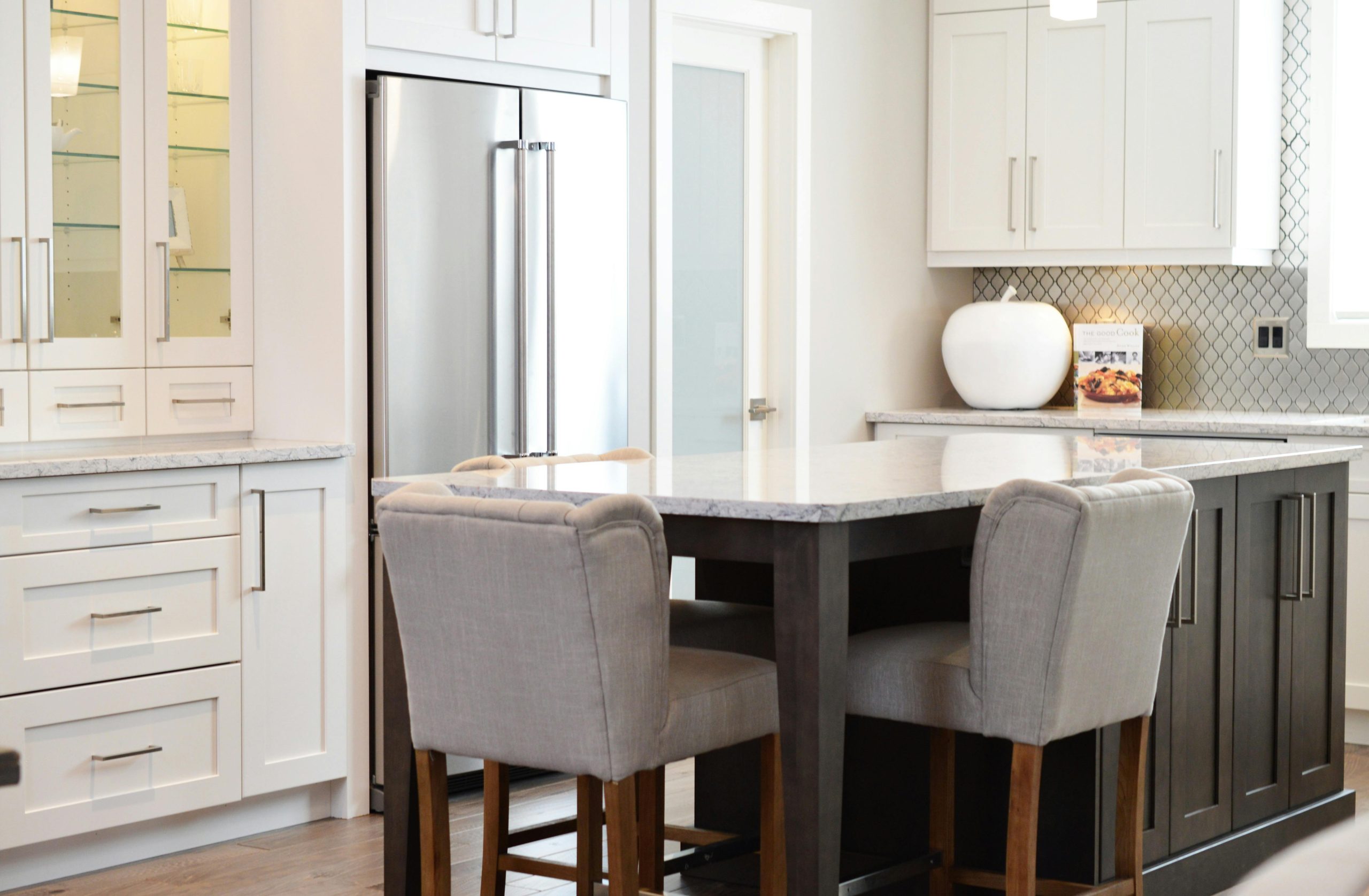
First Impressions Happen Fast
When a potential buyer walks through the front door they’re imagining their future in it. That vision becomes harder to achieve when every surface is covered in mail, decor, or furniture. Studies have shown that buyers form an opinion about a home within the first 7 to 10 seconds of entering, and clutter can create an immediate emotional disconnect.
A clean and decluttered space ranks among the top five factors that affect buyer perception. This makes pre-listing decluttering one of the most powerful (and cost-effective) things a seller can do.
Why Clutter Hurts Your Sale
Clutter can unintentionally distract buyers or make it harder for them to envision their own belongings in the space. It may suggest a lack of storage, poor maintenance, or even hidden flaws. Plus, clutter makes spaces feel smaller and darker, which are the last things a buyer wants in a potential home.
A cluttered home also makes it difficult for potential buyers to picture themselves living in the space. Instead of imagining where they would put their furniture or how they would decorate, they’re preoccupied with navigating through items that aren’t theirs. This shift in focus is a lost opportunity for emotional connection, and in real estate, emotional connection sells.
Letting go of excess “stuff” also allows architectural features to shine, whether that’s hardwood floors, natural light, or a unique layout. Buyers are drawn to features like natural light and hardwood floors—less visual clutter helps them appreciate those details.
Decluttering: Where to Start
Here’s a simple order of operations sellers can follow to prepare a house for sale:
- Start with the Entryway – First impressions happen fast. Create a calm, open entrance by minimizing shoes, coats, and extra furniture to help buyers feel immediately at home.
- Clear Surfaces – Kitchen counters, dining tables, and bathroom vanities benefit from simplicity. A few tasteful items can add warmth while keeping the space visually open and clean.
- Declutter Closets – Spacious closets feel like a bonus to buyers. Try to keep them no more than half full, and consider uniform hangers for a more streamlined appearance.
- Depersonalize – While your home tells your story, buyers need to imagine their own. Temporarily packing away personal photos and niche collections can make that easier.
- Tidy the Garage, Basement, and Attic – These often-overlooked areas matter too. A neat, functional space signals a well-loved and cared-for home.
The Psychology Behind Decluttering
Buyers don’t just purchase square footage—they connect with a feeling. A decluttered space feels more open, calming, and full of potential. This emotional impact can strongly influence a buyer’s perception of value.
Staging and decluttering also impact how a home photographs. Which is a crucial factor in the age of online listings. The better your home looks in photos, the more interest it will generate online, which leads to more showings and faster offers.
Professional Help Is Worth It
Some sellers benefit from hiring a professional organizer or home stager to guide the process. Even a single consultation can make a significant difference. A real estate agent may also offer a pre-listing walkthrough to help identify problem areas and provide objective advice.
Century 21 agents often recommend beginning the decluttering process well before professional photography or open houses are scheduled. Starting early helps avoid last-minute stress and allows time to store, donate, or discard items thoughtfully.
What to Do With All That Stuff
Once you’ve started removing items, it’s important to know what to do with them. Consider the following options:
- Donation: Gently used items can go to local charities or shelters.
- Storage Units: Renting a short-term storage unit keeps your home clear without forcing permanent decisions.
- Resale: Sell valuable items on local marketplaces or consignment.
- Trash/Recycling: Let go of broken or unused items that no longer serve a purpose.
The key is to create breathing room in every space. Neatly store or remove items so that each room can shine and feel thoughtfully maintained. Aim to keep closets, garages, and corners tidy and spacious to create a clean, organized impression.
The Bottom Line
Decluttering creates space, invites light, and tells buyers “this home has been cared for.” In most cases, it reduces time on market and increases offers. It’s not about removing personality, it’s about creating possibility.
When you prioritize decluttering, you’re creating a more appealing, welcoming space that helps buyers fall in love with your home.
Want more tips on how to get your home market-ready? Explore our Seller’s Resource Center for checklists, guides, and expert insight.
Need personalized advice? Contact a Century 21 Realty Services agent to schedule a free consultation today and start preparing your home for a successful sale.
How to Win a Home in a Competitive Market
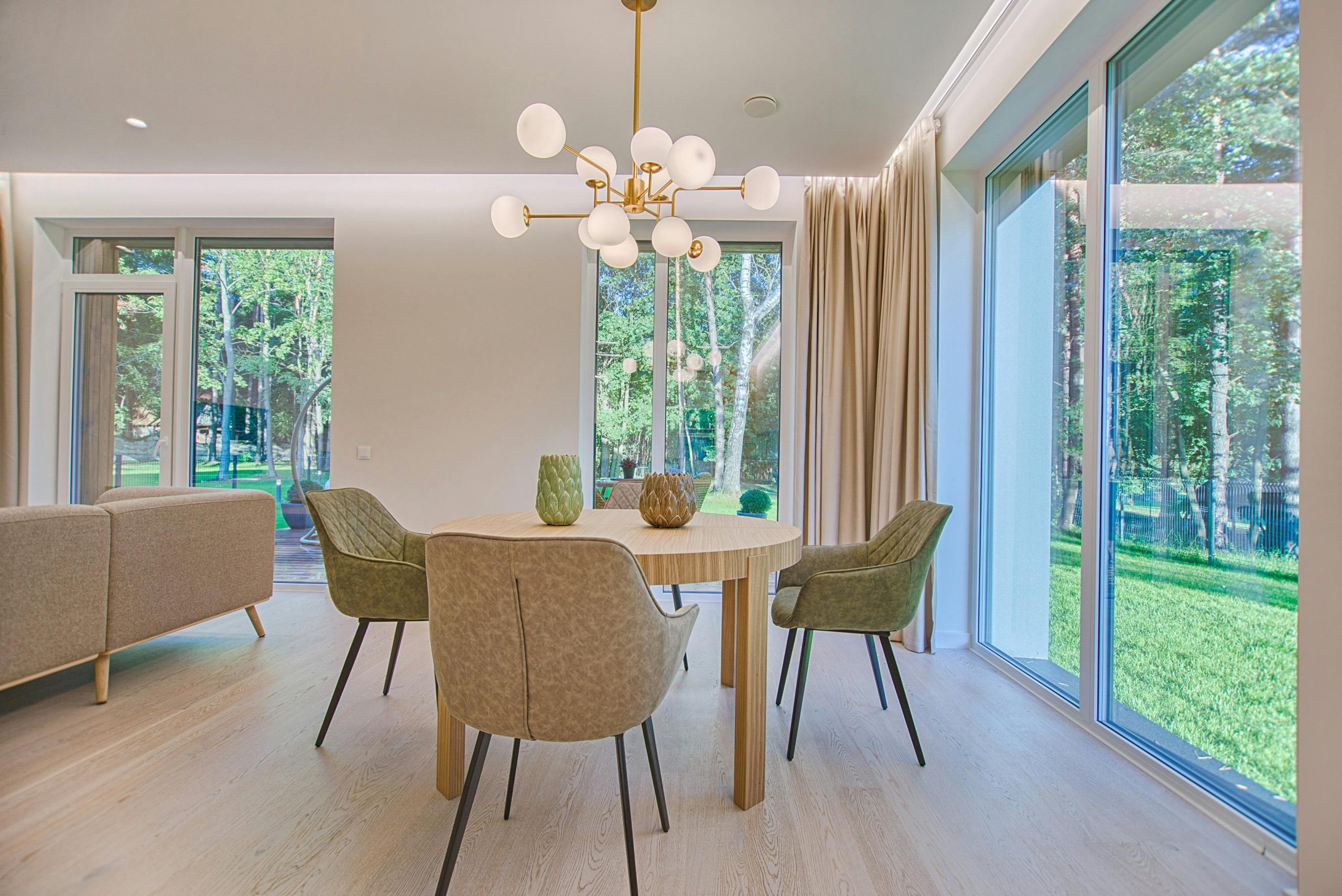
Navigating the real estate market can be a complex endeavor, whether you’re looking to buy, sell, or rent properties in Central Pennsylvania. From Camp Hill to Harrisburg, and from Mechanicsburg to Lemoyne, choosing the right type of real estate agent is crucial for a tailored and successful experience. Century 21 agents are well-versed in the specific needs of each locale, offering specialized services that cater to diverse real estate goals. Here’s how different types of real estate agents can assist you in this dynamic market.
Residential Real Estate Agents
Expertise in Home Buying and Selling
Residential agents are specialists in helping clients find their dream homes or sell their properties across Central Pennsylvania, including hotspots like Camp Hill and Mechanicsburg. These agents from Century 21 understand local market dynamics deeply, which is crucial for navigating the complexities of residential transactions.
They assist with everything from listing homes for sale in Mechanicsburg, PA, to finding the perfect family residence in Camp Hill, ensuring clients receive top-notch guidance every step of the way.
Tailored Marketing Strategies
Century 21 realty services excel in crafting customized marketing plans that highlight the unique features of your home. Utilizing the latest technology and extensive online and offline marketing channels, they ensure your property stands out in the Pennsylvania market.
Buyer’s Agents
Dedicated Advocacy for Homebuyers
A buyer’s agent acts solely in your interest if you’re purchasing a home. They scour the Camp Hill and Enola markets to find properties that match your specifications, provide comparative market analysis, and guide you through the buying process. Their negotiation skills ensure you get the best possible deal, free from any seller bias.
Streamlining the Purchase Process Across Central PA
From the initial property viewing to the final closing, buyer’s agents from Century 21 in Mechanicsburg, Harrisburg, and beyond, streamline the entire purchasing process.
Their methodical approach reduces complexity, making the journey less daunting for both first-time buyers and experienced investors. Their local knowledge and professional acumen simplify each step. They will assist with negotiating terms to handling paperwork, ensuring a smooth transaction.
Choosing a Century 21 buyer’s agent means partnering with a top real estate professional in Pennsylvania who is committed to finding you the perfect home in Camp Hill, Enola, Mechanicsburg, Harrisburg, and other key locations within Central PA. Their dedication to your home buying success transforms the challenge of purchasing a home into an enjoyable and rewarding experience.
Listing Agents
Maximizing Seller Returns
If you’re looking to sell, a listing agent from Century 21 in areas like Lemoyne or Enola will help maximize your returns. They evaluate market conditions to set competitive prices, stage your home to attract buyers, and handle negotiations to ensure a smooth and profitable sale.
These agents are proficient in assessing the current market conditions to set competitive yet appealing prices that draw in potential buyers. They understand the nuances of the local markets, which enables them to strategically price your home to not only generate immediate interest but also to maximize your financial return.
Effective Exposure and Marketing
Century 21 listing agents ensure your property receives wide exposure across Central PA. They employ both traditional and digital marketing strategies, including open houses, targeted social media campaigns, and optimized online listings.
High-quality photography and virtual tours create compelling visual content that captures the attention of potential buyers. This integrated approach maximizes visibility and attracts a diverse pool of potential buyers, enhancing the opportunity for competitive offers and a successful sale.
Leveraging Professional Networks
In addition to direct marketing efforts, Century 21 listing agents tap into extensive professional networks. By collaborating with other realtors and leveraging connections within the real estate community, they extend the reach of your property listing.
This network-driven approach ensures your listing is seen not just locally but also by potential buyers and agents across the state, potentially speeding up the sale process and increasing the chances of receiving better offers. This strategic use of professional networks is part of what sets Century 21 agents apart in their ability to deliver exceptional results for their clients.
Specialized Services in Central PA
Comprehensive Real Estate Solutions
Whether you need a buyer’s or listing agent, Century 21 provides comprehensive solutions tailored to your unique needs in Central Pennsylvania. With a deep understanding of locales like Camp Hill, Harrisburg, Mechanicsburg, Lemoyne, and Enola, our agents ensure that whether you’re buying or selling, your real estate journey is handled with expertise and care.
Contacting Century 21
For more information on how to find the right real estate agent for you in Central PA, visit How to Find the Right Real Estate Agent for You. To explore our services or get in touch with an agent, visit our contact page.
By choosing a specialized Century 21 agent, you’re not just making a transaction; you’re making a well-informed decision that aligns with your long-term goals in Central Pennsylvania’s diverse real estate landscape.
Renting vs. Buying: What Makes Sense for You?

When it comes to finding a place to call home, one of the most important decisions you’ll face is whether to rent or buy. Both options have their advantages and drawbacks depending on your financial goals, lifestyle, and long-term plans.
In today’s dynamic real estate market, understanding the pros and cons of renting vs. buying is more crucial than ever. Here’s what you need to consider when deciding which path makes the most sense for you.
Understanding the Benefits of Buying a Home
Build Equity Over Time
Buying a home is a long-term investment. Unlike renting, where your monthly payments go to a landlord, purchasing a home allows you to build equity.
Each mortgage payment contributes to your ownership stake in the property, offering the potential for long-term wealth accumulation. Over time, that equity can be used for home improvements, emergencies, or even purchasing your next home.
Stable Monthly Payments
With a fixed-rate mortgage, your principal and interest payments remain consistent over the life of the loan. This stability makes it easier to plan and budget for the future.
In contrast, rent prices can fluctuate with the market and may increase significantly at the end of each lease term.
Creative and Financial Freedom
Homeownership offers the freedom to make your space your own. Want to paint the walls, update the kitchen, or plant a garden? You can do it!
When you own your home, you’re free to personalize it as you see fit. Additionally, homeowners may benefit from tax deductions related to mortgage interest, property taxes, and certain closing costs.
A Long-Term Asset
Real estate can appreciate in value over time, especially in desirable neighborhoods with strong schools, amenities, and job opportunities.
This appreciation can make your home one of the most valuable assets in your financial portfolio. Even during market fluctuations, property tends to gain value over the long term.
Why Renting Might Be the Right Choice
Flexibility and Mobility
Renting is ideal for individuals who anticipate relocating within a few years or who prefer not to be tied down by property ownership.
Lease terms typically range from six months to one year, giving renters the flexibility to change living arrangements without the complexities of selling a home.
Lower Upfront Costs
Renting generally requires fewer upfront costs compared to buying a home. While homeowners must cover a down payment, closing costs, inspections, and other fees, renters typically only need a security deposit and first month’s rent.
This lower financial barrier can make renting more accessible, especially for young professionals or those with limited savings.
No Maintenance Responsibilities
One of the most attractive aspects of renting is that property maintenance and repairs are the landlord’s responsibility.
If an appliance breaks or the roof leaks, you’re not on the hook for those costs. This convenience is particularly appealing for those who want to avoid the time and expense associated with property upkeep.
Access to Amenities
Many rental properties offer access to amenities such as swimming pools, gyms, dog parks, and community centers that might be costly to maintain as a homeowner. These perks can enhance your lifestyle without the added expense.
Key Questions to Ask When Considering Buying a Home
How long do I plan to stay in this area?
Generally, buying is more cost-effective if you plan to stay for 5+ years. The asset value and costs generally are paid back around 5 years. If there is a good chance you will move in the next few years it may be best to rent for the time being.
Am I financially ready for a down payment, property taxes, and potential maintenance costs?
A good down payment will decrease your overall costs of ownership but isn’t always ideal or feasible. Understanding your financial situation can be a big indicator of whether buying or renting makes sense.
Do I want the freedom to customize and upgrade my living space?
If you are a DIY’er and love making a space your own then owning may be best for you. Renting a home can come with lots of restrictions such as no pets, minimal painting, holes in the wall from art, and much more.
How important is predictability in monthly expenses to me?
If you need a predictable expense and can’t afford to have a water heater randomly need replacing, renting may be best. Home ownership comes with random expenses that can be unexpected so having the flexibility for unknown bills is a must when buying a home.
Am I prepared for the responsibilities of homeownership?
A house requires upkeep. From cleaning and replacing gutters to patching walls it requires consistent upkeep. If you are not ready to take on this added work or pay for someone else to do it renting may be a good option for you.
Making the Right Move with Century 21 Realty Services
Whether you’re leaning toward renting or ready to buy a home, our experienced agents at Century 21 Realty Services are here to guide you every step of the way. We understand the Central Pennsylvania real estate market and take the time to get to know your unique goals, helping you evaluate your options so you can make the smartest move for your lifestyle and budget.
If you’re a first-time homebuyer, we’ll walk you through the process from pre-approval to closing. If you’re currently renting and exploring the market, we’ll provide expert insight into whether now is the right time to buy or continue renting based on your financial picture.
Ready to Explore Your Options?
Let us help you make the best real estate decision for your future. Contact Century 21 Realty Services today to schedule a consultation with a local expert who understands your needs.
Should You Remodel Before Selling? Here’s What Actually Pays Off

When preparing to sell a home, many homeowners ask themselves, “Should I remodel before listing?” The right updates can increase your home’s value and attract buyers, but not all renovations provide a strong return on investment. Some upgrades could cost more than they’re worth, while others can lead to faster sales and higher offers.
So, how do you know what’s worth it? Here’s a breakdown of the best remodeling projects to focus on before selling—and which ones to skip.
High-Impact Upgrades That Boost Home Value
Minor Kitchen Updates
The kitchen is one of the most important spaces for buyers, but a full remodel can be expensive. Instead of gutting everything, making small, strategic changes can go a long way. Replacing outdated hardware, refinishing cabinets, installing a new backsplash, and upgrading appliances (if necessary) can modernize the space without breaking the bank. Buyers want kitchens that feel fresh and functional, not necessarily brand new.
Bathroom Refresh
Like kitchens, bathrooms are high-priority spaces for buyers. While a full bathroom remodel can be costly, minor updates such as replacing fixtures, regrouting tile, and updating the vanity can make a significant difference. A bathroom that looks clean and modern can leave a lasting impression and help increase your home’s appeal.
Curb Appeal Enhancements
First impressions matter, and buyers will form an opinion of your home before they even step inside. Investing in curb appeal doesn’t require major spending. Simple upgrades like fresh landscaping, power washing the exterior, repainting the front door, and updating outdoor lighting can instantly make your home look more inviting.
Flooring Improvements
Worn-out or outdated flooring can be a turnoff for buyers. If your carpet is stained or your hardwood floors are scratched, making updates could be a worthwhile investment. Replacing old carpet with modern flooring options like vinyl plank or laminate can provide a fresh, updated look. If you have existing hardwood floors, refinishing them can bring them back to life.
What Renovations Aren’t Worth It?
Not every remodeling project adds value when selling. Some upgrades may seem like a great idea but fail to provide a strong return on investment.
Luxury Upgrades
High-end features like professional-grade kitchen appliances, custom cabinetry, or extravagant fixtures can be appealing, but they don’t always translate into a higher sale price. Most buyers are looking for function and style rather than luxury.
Swimming Pools
While pools can be a nice feature for some buyers, they come with ongoing maintenance costs and may not significantly increase your home’s value. In many cases, a pool can actually limit your buyer pool (no pun intended), as some people see it as a hassle rather than an asset.
Extensive Renovations
Major home remodels can be costly and time-consuming. If you’re planning to sell soon, it may not make sense to take on large-scale projects that require months of work. Instead, focus on smaller, high-impact updates that will make a noticeable difference.
The Bottom Line
Remodeling before selling can be a smart investment—but only if you choose the right updates. Focus on projects that improve your home’s functionality, aesthetic appeal, and marketability without overextending your budget. Small changes can lead to higher offers and a quicker sale, while unnecessary renovations may not pay off.
If you’re unsure which updates will make the most sense for your home, reach out to Century 21 Realty Services for expert advice. We’ll help you determine what improvements will give you the best return and ensure your home is market-ready.
How to Maximize Your Home’s Value Before Listing
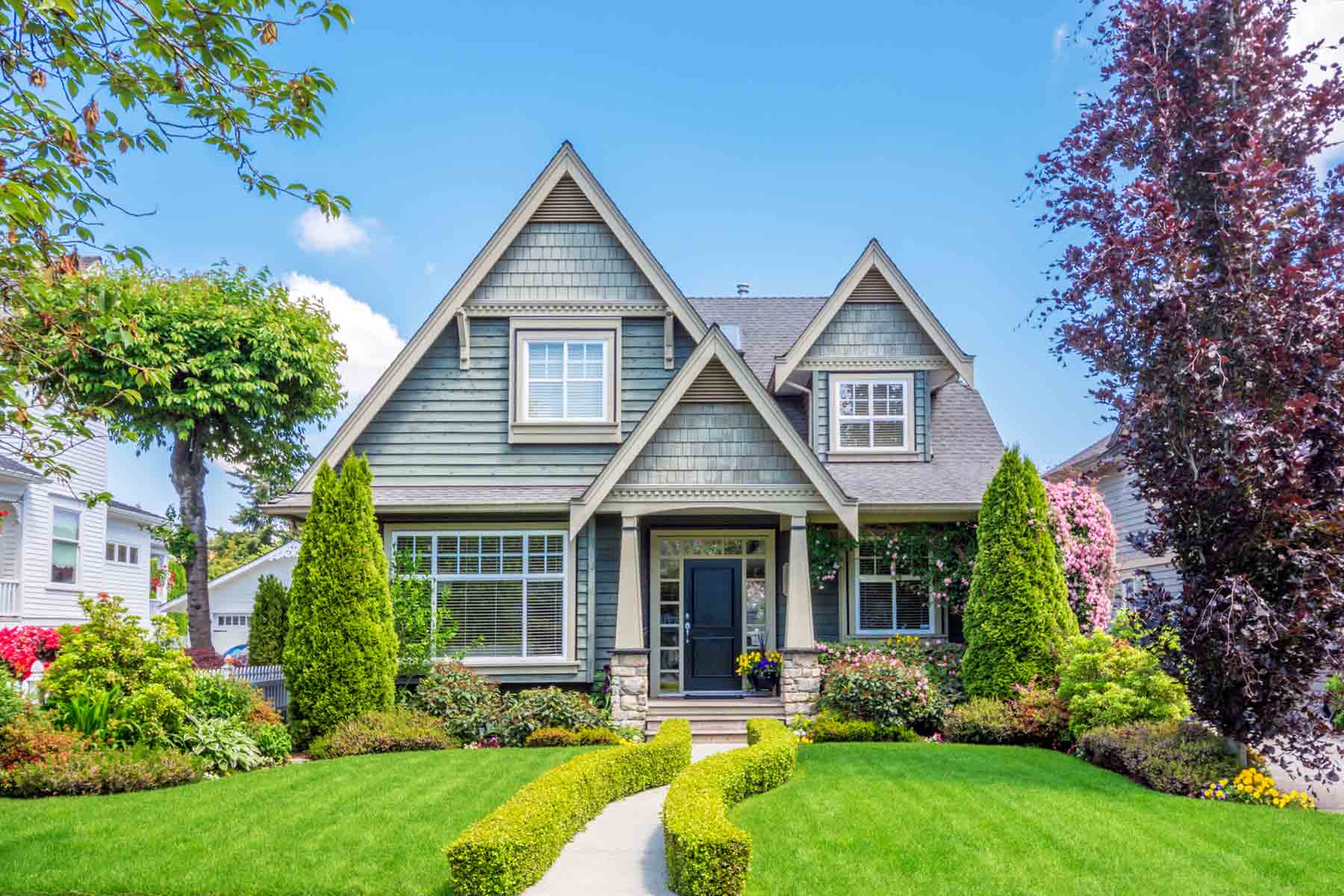
Selling your home is a big decision, and ensuring you get the best possible price requires careful preparation. Strategic upgrades and smart staging can help you attract buyers and increase your home’s market value.
Here’s how you can maximize your home’s value before listing.
Boosting Curb Appeal: First Impressions Matter
One of the most important factors in selling your home is curb appeal. Buyers often make snap judgments based on a home’s exterior before even stepping inside.
How to Improve Curb Appeal:
- Landscaping: Keep the lawn trimmed, plant fresh flowers, and add mulch for a polished look.
- Exterior Cleaning: Power wash siding, sidewalks, and the driveway to remove dirt and grime.
- Front Door Refresh: A fresh coat of paint on the front door can make a huge impact on a buyer’s first impression.
A well-maintained exterior makes your home feel inviting and shows buyers that it has been cared for, encouraging them to explore further.
Small Upgrades That Make a Big Difference
You don’t need to spend thousands on major renovations to increase your home’s value. Simple, budget-friendly upgrades can have a significant impact.
Cost-Effective Upgrades to Consider:
- Fresh Paint: A fresh coat of neutral-colored paint can brighten rooms and make spaces feel bigger.
- Lighting Fixtures: Swap out outdated light fixtures for modern, energy-efficient options.
- Cabinet Hardware: New handles and knobs can instantly modernize kitchens and bathrooms.
- Minor Repairs: Fix leaky faucets, squeaky doors, or cracked tiles—small issues can be red flags for buyers.
These small changes modernize your home without requiring a major investment.
The Power of Kitchen & Bathroom Updates
Buyers often focus on kitchens and bathrooms when evaluating a home. While full remodels can be expensive, modest updates can add value without breaking the bank.
Easy Kitchen & Bathroom Improvements:
- Refinish Cabinets: Instead of replacing, consider painting or refacing cabinets for a fresh look.
- Upgrade Fixtures: Modern faucets, cabinet handles, and updated lighting instantly refresh the space.
- Refresh Countertops: Instead of a full replacement, consider resurfacing or refinishing existing countertops for a fresh, updated look.
- Re-Caulk & Re-Grout: Bright, clean grout lines make bathrooms look well-maintained and newer.
Investing in these areas makes your home more appealing and justifies a higher asking price.
Decluttering & Staging for Maximum Appeal
A clutter-free, well-staged home helps buyers visualize themselves living there.
Tips for Effective Staging:
- Declutter & Depersonalize: Pack away personal items, excess furniture, and family photos.
- Maximize Natural Light: Open curtains and blinds to let in as much light as possible.
- Create a Cozy Atmosphere: Use neutral decor, fresh flowers, and soft lighting for an inviting feel.
- Highlight Key Features: Arrange furniture to showcase spaciousness and functionality.
A well-presented home feels more valuable and can lead to higher offers.
Tackling Repairs Before Listing
Buyers often notice even minor issues, and unaddressed repairs can make them hesitant.
Essential Pre-Listing Repairs:
- Fix leaky faucets & address any plumbing issues
- Patch up small holes in walls
- Ensure all doors & windows open smoothly
- Replace broken or missing roof shingles
Handling these repairs shows buyers your home is well-maintained and reduces potential negotiation points.
The Benefits of a Pre-Listing Inspection
A pre-listing home inspection helps identify potential issues before buyers do, giving you the chance to fix them in advance.
Why Consider a Pre-Listing Inspection?
- Avoid Last-Minute Surprises: Catching issues early prevents unexpected deal-breakers.
- Increase Buyer Confidence: Transparency reassures buyers your home is in great condition.
- Speed Up the Closing Process: Addressing concerns ahead of time can help prevent delays.
Being proactive with an inspection can lead to stronger offers and a smoother sale.
Ready to Sell? Let’s Get Started!
By taking these steps, you’ll increase your home’s value and make it more attractive to buyers. From small upgrades to strategic staging, preparation is key to a successful sale.
Thinking about listing your home? Contact Century 21 today to get expert guidance and maximize your home’s value!
Leveraging Social Media for Leads: A Realtor’s Guide to More Clients

Social media has transformed the real estate industry, making it easier than ever for agents to connect with potential clients, showcase listings, and build a strong personal brand. With over 4.9 billion people using social media worldwide, these platforms offer realtors a powerful way to generate leads, stay top-of-mind, and create meaningful relationships with buyers and sellers.
But simply having an online presence isn’t enough. To truly leverage social media for real estate success, agents must take a strategic approach—choosing the right platforms, sharing engaging content, and utilizing paid advertising to maximize reach.
Choosing the Right Social Media Platforms
Not all social platforms are equally effective for real estate. Agents should focus on the platforms where potential buyers and sellers are most active.
Facebook: The Go-To Platform for Real Estate Engagement
Facebook remains a top choice for real estate professionals due to its vast user base and community engagement features. Agents can join local community groups, create a business page for listings, and utilize Facebook Marketplace to attract home buyers. Live virtual tours and interactive Q&A sessions can also help increase engagement and establish credibility.
Instagram: Visual Storytelling for Real Estate
Instagram is ideal for showcasing properties with high-quality images and short-form videos. Stories and Reels provide an opportunity to highlight key home features, conduct quick home tours, and share behind-the-scenes content. Using location tags and relevant hashtags can further expand visibility among local buyers.
LinkedIn: Building Professional Relationships
While LinkedIn isn’t typically used for direct home sales, it serves as a powerful networking tool for real estate agents. This platform is perfect for connecting with investors, lenders, homebuilders, and fellow agents. Sharing market insights and success stories helps establish an agent’s credibility and expertise.
TikTok: Reaching the Next Generation of Buyers
TikTok has emerged as an unexpected yet highly effective platform for real estate professionals. The short-form video format allows agents to create engaging content, from quick home tours and staging tips to myth-busting real estate facts. With a younger audience actively engaging on TikTok, it’s a great tool for capturing first-time homebuyers.
Creating Engaging Content That Converts
Content is at the heart of a successful social media strategy. Simply posting listings isn’t enough—agents need to create a mix of educational, engaging, and promotional content to keep their audience interested.
Showcasing Listings with High-Quality Visuals
Homes that are professionally photographed and well-lit receive significantly more engagement than those with low-quality images. Virtual tours, drone footage, and walkthrough videos give potential buyers an immersive experience. Posting before-and-after images of staged homes can also make a big impact.
Providing Value with Market Insights
Buyers and sellers look to real estate agents for expert guidance on the housing market. Posting weekly or monthly market updates with trends on interest rates, home prices, and inventory levels positions an agent as a trusted resource.
Highlighting Client Success Stories
Social proof is one of the most effective ways to build credibility online. Featuring client testimonials, first-time buyer stories, and behind-the-scenes clips of closings makes a strong impact on potential leads. Agents can even go live with happy clients to share their experience.
Engaging with Stories and Reels
Short-form video content drives engagement. Agents should consistently use Instagram and Facebook Stories to showcase new listings, share quick home-buying tips, and interact with followers through polls and Q&A sessions. Reels can be used for property highlights, staging tips, and fun behind-the-scenes content.
Educating First-Time Buyers and Sellers
Many potential buyers and sellers feel overwhelmed by the process. Posting content that explains how to qualify for a mortgage, the home inspection process, and how to prepare a home for sale can help establish trust.
Engaging with Your Audience to Build Trust
Social media isn’t just about posting—it’s about engaging. Agents should actively respond to comments, answer questions, and participate in conversations to build relationships with potential clients.
Responding to Comments and Messages
Timely responses to inquiries can mean the difference between gaining or losing a lead. Agents should set up automated responses for common questions and ensure follow-ups are handled promptly.
Joining Local Facebook Groups
Many home buyers and sellers turn to Facebook Groups to ask for recommendations. Being active in these groups and offering helpful advice can position an agent as the go-to expert in their community.
Conclusion
Social media is a powerful tool for real estate agents, but success doesn’t happen overnight. By choosing the right platforms, posting consistently, engaging with potential clients, and utilizing paid strategies, realtors can build a strong online presence that generates high-quality leads and grows their business.
For agents who want to take their social media game to the next level, now is the time to create a content plan, experiment with different formats, and start engaging with potential clients online. The more value you provide, the more likely you are to attract serious buyers and sellers through social media.
Century 21 Realty Services provides agents with the tools, training, and support needed to succeed in today’s digital-first market. From expert guidance on social media strategies to cutting-edge marketing resources, we help realtors generate leads, close deals, and grow their business with confidence.


