

 Facebook
 X
X
 Pinterest
 Copy Link
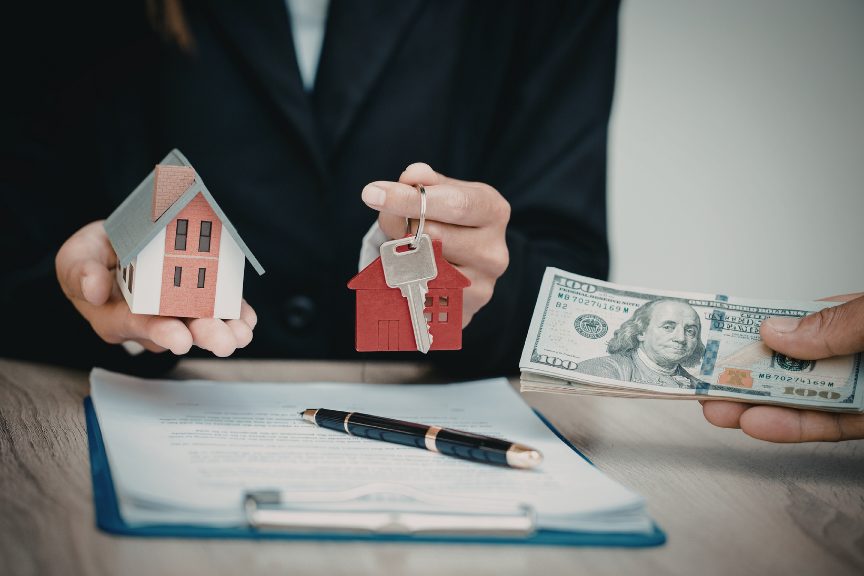
Selling your home is a big step, and it often comes with a mix of excitement and questions. One of the most common topics sellers ask about is closing costs. Many homeowners are unsure what these costs include or how much they should expect to pay. This guide is designed to explain real estate closing costs in a clear and friendly way, without making the process feel overwhelming.
From the perspective of Century 21 Realty Services, our goal is to help Central PA sellers feel prepared, supported, and confident all the way to closing day.
What Are Real Estate Closing Costs and Why Sellers Pay Them
Real estate closing costs are the expenses required to complete the sale of a home. These costs are paid at closing, which is when the property officially transfers from the seller to the buyer. They cover important services that make sure the sale is handled properly, legally, and accurately.
For sellers, these costs are simply part of the cost to sell a house. They help pay for professional services, required taxes, and administrative work tied to the transaction. While the term may sound intimidating, closing costs are common and expected in every home sale.
Understanding real estate closing costs early helps sellers plan ahead and avoid stress. With the right home-selling assistance, these costs become easier to understand and manage.
If you want a clearer picture of what your costs may look like, setting up a call with a local professional is a helpful first step.
Real Estate Closing Costs in Central PA
In Central Pennsylvania, real estate closing costs for sellers tend to follow familiar patterns. While every sale is unique, most sellers can expect these costs to be a percentage of the final sale price.
Local factors such as county taxes, township rules, and market conditions all play a role. This is why working with a real estate agent for sellers who know the Central PA area is so important. Local experience helps sellers understand what is typical and what to expect based on their specific location.
Closing costs are usually paid from the proceeds of the sale. This means they are deducted at closing rather than paid upfront. Knowing this ahead of time helps sellers feel more at ease when planning their finances.
For a personalized estimate, filling out a form to receive a seller’s net sheet can provide helpful clarity before your home is listed.
What Fees Do Sellers Pay at Closing?
Many homeowners ask, “What fees do sellers pay at closing?” While the exact costs vary, most sellers are responsible for several common expenses.
Real Estate Agent Fees
Real estate agent fees are often the largest part of the cost to sell a house. These fees cover marketing, showings, negotiations, and guidance from listing to closing. The amount is agreed upon before your home goes on the market, so there are no surprises later.
Transfer Taxes
In Pennsylvania, sellers typically pay a realty transfer tax based on the final sale price. This tax is shared between state and local governments and is standard in most transactions across Central PA.
Title and Settlement Costs
Title and settlement services ensure the paperwork is accurate and the ownership transfer is handled correctly. These fees may include settlement coordination and title-related services, depending on the contract terms.
Prorated Property Taxes and HOA Fees
Property taxes and homeowner association fees are split between the buyer and seller based on the closing date. Sellers pay their share up to the day of closing.
Repairs or Seller Credits
If inspections lead to negotiated repairs or credits, those amounts are reflected in your final closing statement. This is common and can be planned for with proper guidance.
Together, these answers cover what fees sellers pay at closing and help remove uncertainty from the process.
Understanding Real Estate Closing Costs Without Feeling Overwhelmed
Closing day should feel like a celebration, not a surprise. The best way to avoid stress is to understand your numbers early and review them often.
A trusted real estate agent for sellers will explain each expected cost before your home is listed. This gives you time to ask questions, review details, and feel comfortable with the process. Good home-selling assistance focuses on clarity and honest communication.
Staying informed and connected throughout the sale helps keep everything on track. If you would like someone to walk through your numbers with you, setting up a call can provide peace of mind.
How Sellers Can Budget for Real Estate Closing Costs
Budgeting for real estate closing costs starts with understanding the full cost to sell a house, then planning accordingly.
Review a Net Proceeds Estimate
A net proceeds estimate shows how much you may receive after all costs are paid. It turns estimates into clear numbers and helps sellers plan with confidence.
Understand Your Listing Agreement
Your listing agreement outlines agent fees and key terms. Reviewing it early helps avoid confusion and keeps expectations clear.
Plan for Small Adjustments
Final numbers may change slightly between contract and closing. Building in a small buffer helps sellers feel prepared.
Stay Connected With Your Agent
Your real estate agent for sellers is your guide throughout the process. Regular updates help ensure there are no surprises.
For sellers who want extra support, signing up for personalized home-selling assistance can make budgeting much easier.
Why Local Experience Matters When Selling Your Home
Every real estate market is different, and Central PA is no exception. Local knowledge helps sellers understand real estate closing costs and navigate the process with confidence.
At Century 21 Realty Services, we believe sellers deserve clear answers and steady support. Whether this is your first sale or you have sold before, our goal is to guide you with honesty and care.
If you are considering selling, filling out a form or setting up a call is a simple next step toward clarity. Making a purchase or sale is a big decision, and you should be confident every step of the way.


